Maintenance & Repair
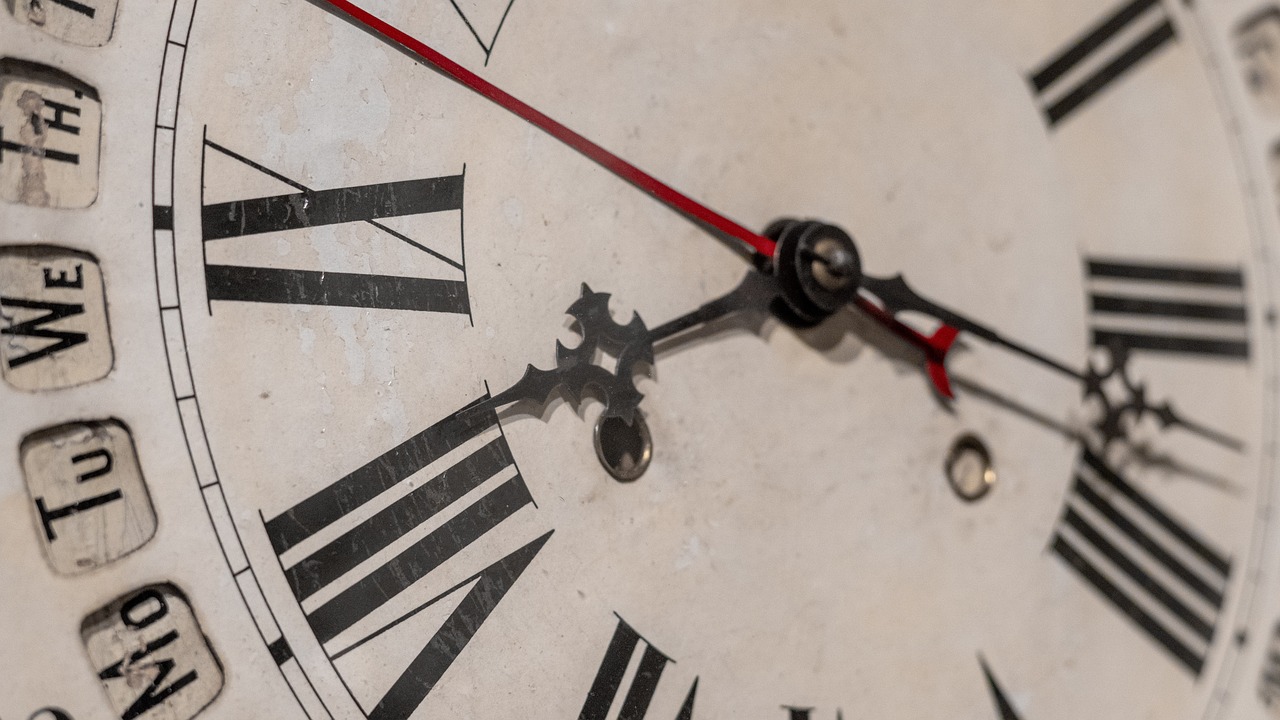
There are quieter ways to tell time. A wristwatch does it without a sound. A wall clock ticks politely. The cuckoo clock, by contrast, announces the hour with a bird call that can carry through a house. That sound is the reason many people love these clocks and the reason a few people cannot stand them. For collectors, the call is not a gimmick. It is the heart of the object.
The cuckoo call is produced by a simple and elegant mechanism. Two small pipes, usually made of wood or metal, sit inside the case. Each pipe has a bellows attached. When the clock strikes, a lever lifts and releases the bellows, pushing air through the pipes. One pipe produces a higher note, the other a lower note. The result is the familiar two-tone call. The pitch and volume depend on the size of the pipes and the condition of the bellows.
Older clocks often have a softer, breathier call because the leather or paper on the bellows has aged. Some collectors prefer this. It sounds like a clock that has lived. Restored bellows produce a sharper, more consistent call. Neither is wrong. It is a matter of taste, and it is one of the small decisions that come with owning a mechanical clock.
You can find cuckoo clocks with stunning carving and a weak, wheezing call. You can also find plain clocks with a perfect, resonant cuckoo. Experienced collectors often judge a clock by its voice first. A clock that calls clearly is a clock that has been maintained or restored with care. A clock that struggles to call is telling you something about its internal condition.
The call also sets the rhythm of a household. Many collectors remember the cuckoo clocks of their grandparents, and the sound is tied to those memories. That emotional connection is powerful. It is why a clock that might look ordinary on a shelf can become the most treasured piece in a collection. The call is not just a function. It is a link to a specific time and place.
Some collectors adjust the call to their preference. The wire that controls the bellows can be bent slightly to change the timing or the force of the air. This is delicate work, and it is easy to damage the bellows if you are careless. If you are not comfortable doing it, a repair person can make the adjustment. A well-tuned cuckoo call is worth the effort.
Not everyone wants a clock that calls every hour and half hour. If you are sensitive to sound, or if you live with someone who is, consider a clock with a shut-off switch. Many cuckoo clocks have a lever that silences the call while keeping the time running. This is a practical feature that makes the clock easier to live with.
For collectors, the sound is the point. It is the reason we wind these clocks and the reason we notice when they stop. The cuckoo call is a small piece of engineering that produces a large emotional response. That is rare in any object, and it is why the cuckoo clock remains one of the most beloved mechanical devices ever made. Listen to your clocks. The sound will tell you when they are healthy and when they need attention. It is the most honest diagnostic tool you have.
