Buying Guides
Half the fun of collecting cuckoo clocks is the hunt. Unlike mass-produced collectibles, cuckoo clocks show up in unpredictable places. They come out of attics, estate sales, and the back tables of flea markets. Knowing where to look and how to look will put better clocks in your hands and keep more money in your pocket.
Estate sales are the classic source. When a household is cleared, clocks that hung on a wall for forty years suddenly need a new home. These sales often price clocks low because the sellers do not know what they have. Arrive early, bring a flashlight, and be ready to examine the movement. Estate sale staff usually will not let you open a clock, but they may let you look inside if you ask politely. If the clock is priced under a hundred dollars and the case is intact, it is often worth the risk.
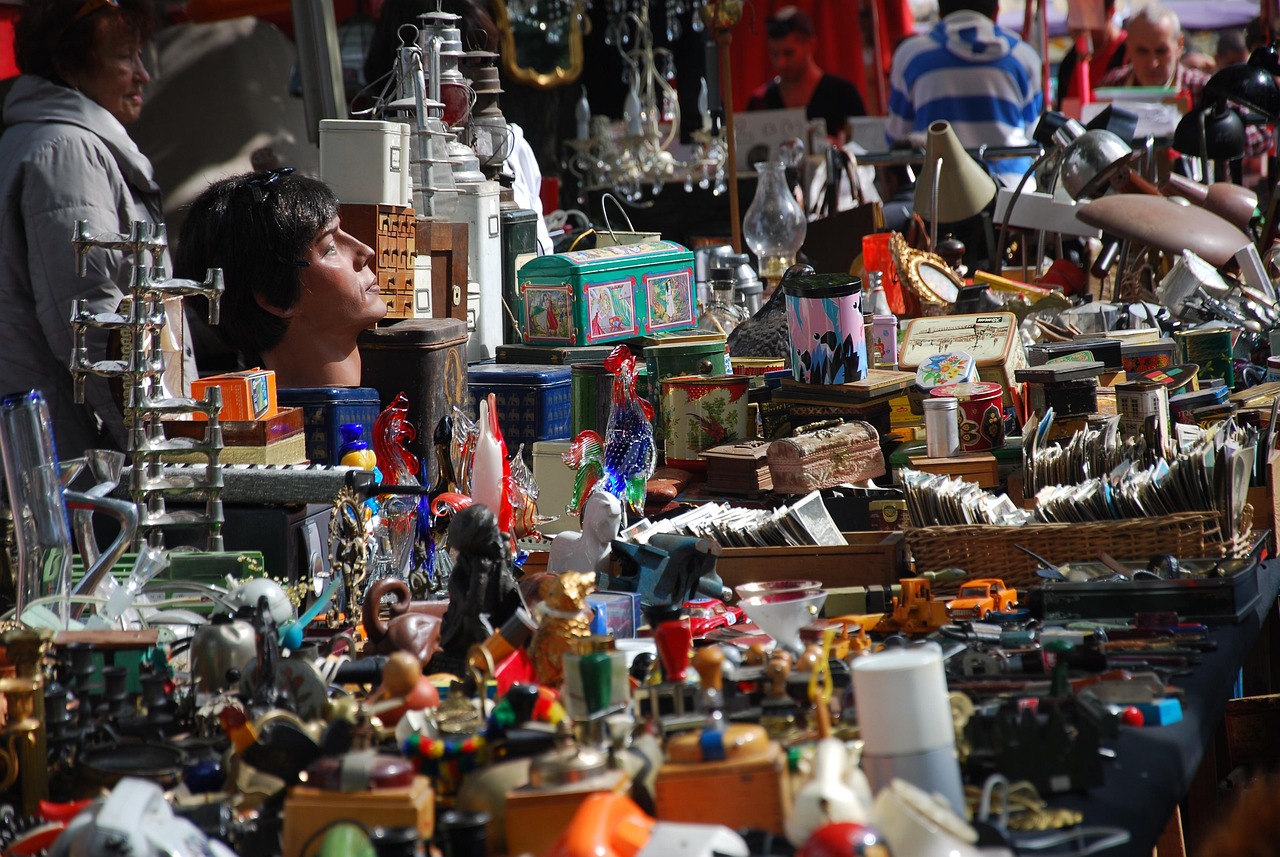
Flea markets and antiques malls are hit or miss. The advantage is volume. The disadvantage is that dealers often know more than you do. Look for clocks that are dusty and unloved rather than polished and staged. A clock that has been cleaned up for sale may hide problems under fresh wax. A clock that looks like it came straight from a basement is more honest.
Online auctions and marketplaces have transformed cuckoo clock collecting. You can find clocks from Germany, Japan, and the United States without leaving your chair. The tradeoff is that you cannot inspect the movement in person. That means you need good photos and a seller who answers questions. Ask specifically for photos of the back, the bellows, and the chains. Ask whether the clock runs and cuckoos. Ask about the weights and pendulum.
Shipping is a real concern. Cuckoo clocks have chains, weights, and a pendulum that can damage the case in transit. A good seller will remove the weights and pendulum and pack them separately. If a seller seems unfamiliar with this, explain it. Most people appreciate the help, and it protects your purchase.
Online prices vary widely. Do not assume that a high asking price means a high-quality clock. Compare completed sales rather than active listings. A clock that has been listed for months at a high price is not a market signal, it is a wish.
The best finds often come through people rather than places. Clock repair shops, antique dealers, and local collectors all know where clocks are. Introduce yourself. Tell them what you collect. A repair person who has a customer downsizing may think of you. A dealer who does not want to bother with a clock may sell it to you cheaply. These relationships take time but pay off.
Also consider clock shows and regional collector meetings. Even if cuckoo clocks are a small part of the show, you will meet people who share your interest and know the local market. Bring photos of your collection. Trade stories. The cuckoo clock world is small enough that reputation matters, and being known as a fair and knowledgeable buyer will bring opportunities that no online search can match.
Wherever you hunt, carry a small notebook and record what you see. Prices, makers, and conditions will start to form a pattern. That pattern is your education, and it will make you a sharper collector with every sale you attend.
